The Benefits of Project-Based Learning
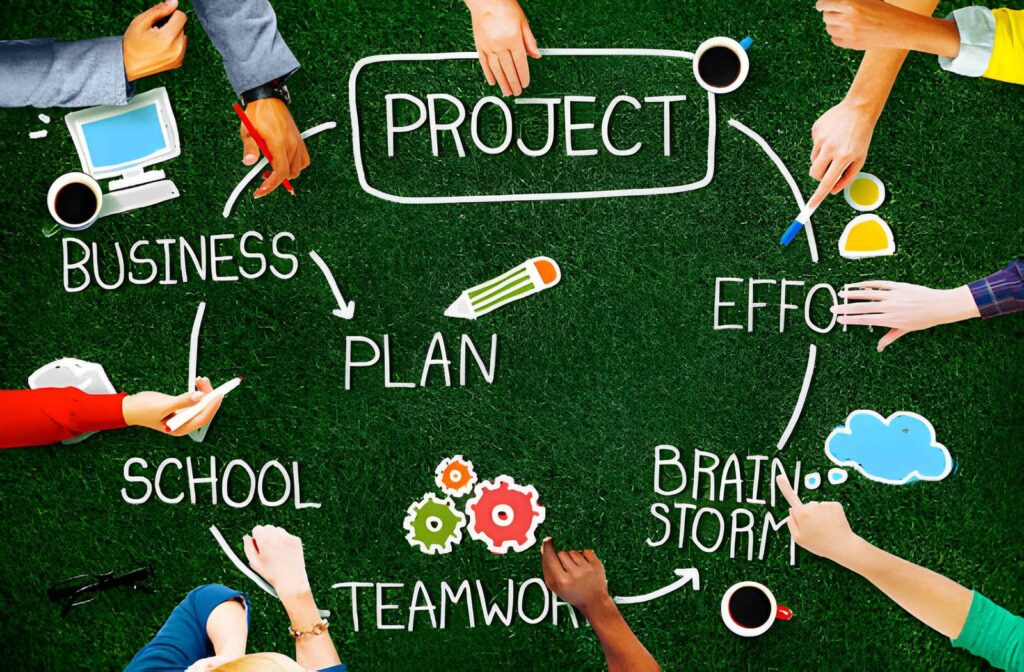
Project-based learning (PBL) is an educational approach that encourages students to learn by actively engaging in real-world and meaningful projects. Instead of simply memorizing facts or completing isolated assignments, students investigate questions, solve problems, create products, and present their learning. This method has become increasingly popular in schools, colleges, and professional training environments because it helps learners build practical skills while gaining deeper knowledge.
In today’s fast-changing world, students need more than textbook understanding. They need creativity, collaboration, communication, critical thinking, and TG88 the ability to apply knowledge in real situations. Project-based learning supports all of these goals, making it one of the most effective modern teaching strategies.
What Is Project-Based Learning?
Project-based learning is a teaching method in which students explore a complex question, challenge, or problem over an extended period. The project usually ends with a final product, presentation, or solution that demonstrates what students have learned.
For example, instead of reading about environmental issues and taking a test, students might investigate local pollution, collect data, interview community members, and design a campaign to raise awareness. This type of learning connects academic content with real-life experiences, making education more engaging and relevant.
Improves Student Engagement
One of the biggest benefits of project-based learning is increased student engagement. Traditional classroom lessons can sometimes feel disconnected from students’ lives. PBL makes learning more meaningful by giving students a purpose and a reason to explore a topic.
When students work on projects that relate to real-world problems, they are more likely to feel motivated. They can see how their learning matters beyond the classroom. This sense of purpose encourages curiosity, participation, and persistence.
Project-based learning also gives students more choice and ownership. When learners help decide how to research, design, or present their work, they become more invested in the outcome.
Develops Critical Thinking Skills
Critical thinking is essential for success in school, work, and everyday life. Project-based learning helps students develop this skill by requiring them to analyze information, evaluate solutions, and make decisions.
During a project, students often encounter challenges that do not have simple answers. They must ask questions, compare sources, test ideas, and revise their approach. This process teaches them how to think deeply and solve problems independently.
Instead of accepting information passively, students learn to investigate and reflect. These habits are valuable in every subject area and future career path.
Encourages Collaboration and Teamwork
Many project-based learning activities involve group work. Students collaborate to plan, research, build, write, or present their final project. This helps them develop teamwork skills that are highly important in the modern workplace.
Through collaboration, students learn how to share responsibilities, listen to others, respect different opinions, and resolve conflicts. They also discover the value of combining different strengths and perspectives.
Working in teams prepares students for real-life situations where success often depends on cooperation. Whether in business, science, healthcare, technology, or the arts, teamwork is a key skill.
Strengthens Communication Skills
Project-based learning gives students many opportunities to practice communication. They may need to discuss ideas with classmates, interview experts, write reports, create visual materials, or present their findings to an audience.
These activities help students become more confident speakers and writers. They learn how to explain their thinking clearly, support their arguments with evidence, and adapt their message for different audiences.
Strong communication skills are essential for academic achievement and professional success. PBL helps students develop these skills in an authentic and practical way.
Connects Learning to the Real World
A major advantage of project-based learning is its connection to real-world issues. Students are not just learning information for a test; they are applying knowledge to meaningful situations.
For example, a math project might involve designing a budget for a school event. A science project could focus on building a water filter. A history project might require students to create a museum exhibit about a local historical event.
These experiences help students understand why learning matters. They also make it easier for students to remember and apply what they have learned.
Supports Deeper Understanding
Project-based learning promotes deeper understanding because students spend more time exploring a topic in detail. Instead of quickly moving from one lesson to the next, learners investigate, question, create, and revise.
This deeper process helps students retain knowledge longer. They are not simply memorizing facts; they are using information in meaningful ways. When students apply knowledge to solve problems or create products, they develop a stronger understanding of the subject.
PBL also encourages connections between different subjects. A single project may include reading, writing, math, science, technology, and art. This interdisciplinary approach reflects how knowledge is used in the real world.
Builds Creativity and Innovation
Creativity is another important benefit of project-based learning. Students are encouraged to design solutions, create products, and think in original ways. There is often more than one correct answer, which allows learners to experiment and take intellectual risks.
This creative freedom helps students become innovators. They learn that mistakes are part of the learning process and that improvement often comes through revision. By testing ideas and improving their work, students develop confidence in their creative abilities.
Increases Student Confidence
Completing a meaningful project can give students a strong sense of accomplishment. They see the results of their hard work and understand that they are capable of solving problems and creating something valuable.
Presenting their work to classmates, teachers, parents, or community members can also boost confidence. Students learn to take pride in their learning and communicate their achievements.
This confidence can carry over into other areas of education and life. When students believe in their abilities, they are more willing to face new challenges.
Prepares Students for the Future
The benefits of project-based learning extend far beyond the classroom. In many careers, people must solve complex problems, work with others, manage time, communicate clearly, and adapt to change. PBL helps students practice these skills early.
Employers often value practical experience and soft skills as much as technical knowledge. Project-based learning prepares students by giving them opportunities to think critically, collaborate, lead, and create.
As technology continues to change the workforce, students need flexible thinking and lifelong learning skills. PBL supports these qualities by encouraging curiosity and independence.
Conclusion
Project-based learning is a powerful educational approach that makes learning active, meaningful, and practical. It improves student engagement, develops critical thinking, encourages teamwork, strengthens communication, and connects classroom lessons to real-world experiences.
By allowing students to explore important questions and create meaningful projects, PBL helps them gain deeper knowledge and essential life skills. Whether used in elementary schools, high schools, universities, or professional training programs, project-based learning prepares learners for success in education, careers, and nổ hũ thần tài the future.